
Diesel Generators
Choose Your Requirements
kVA Range
Engine Brand
Frequency
Phase
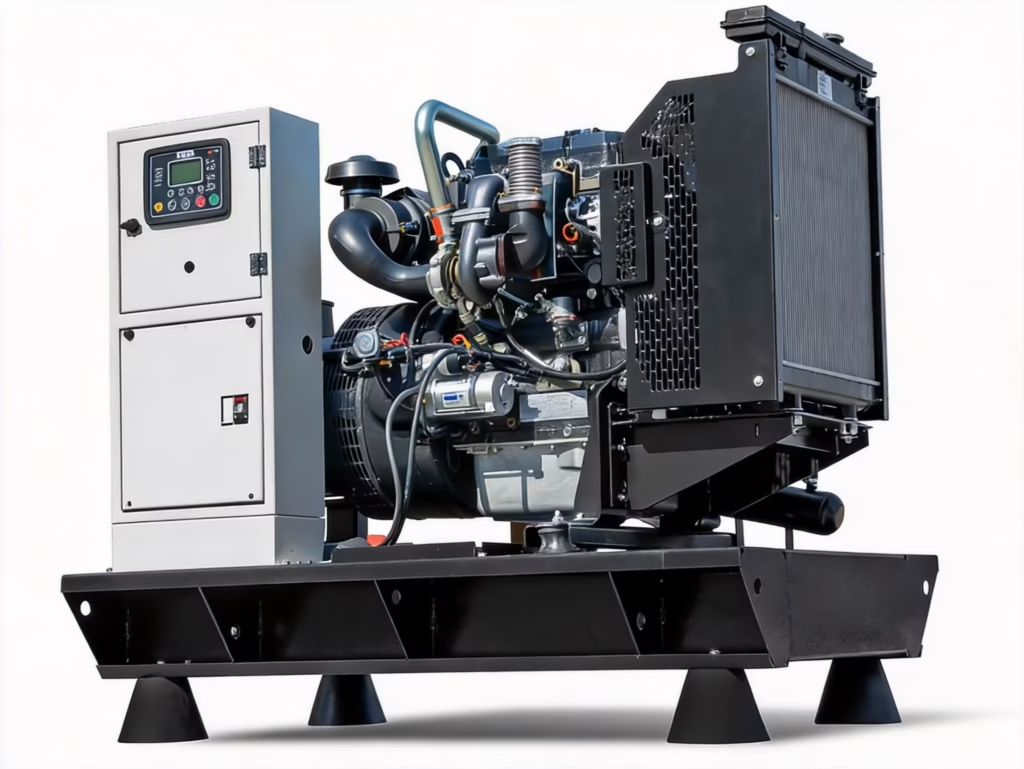
PERKINS
64kW, 50 Hz
VTP88
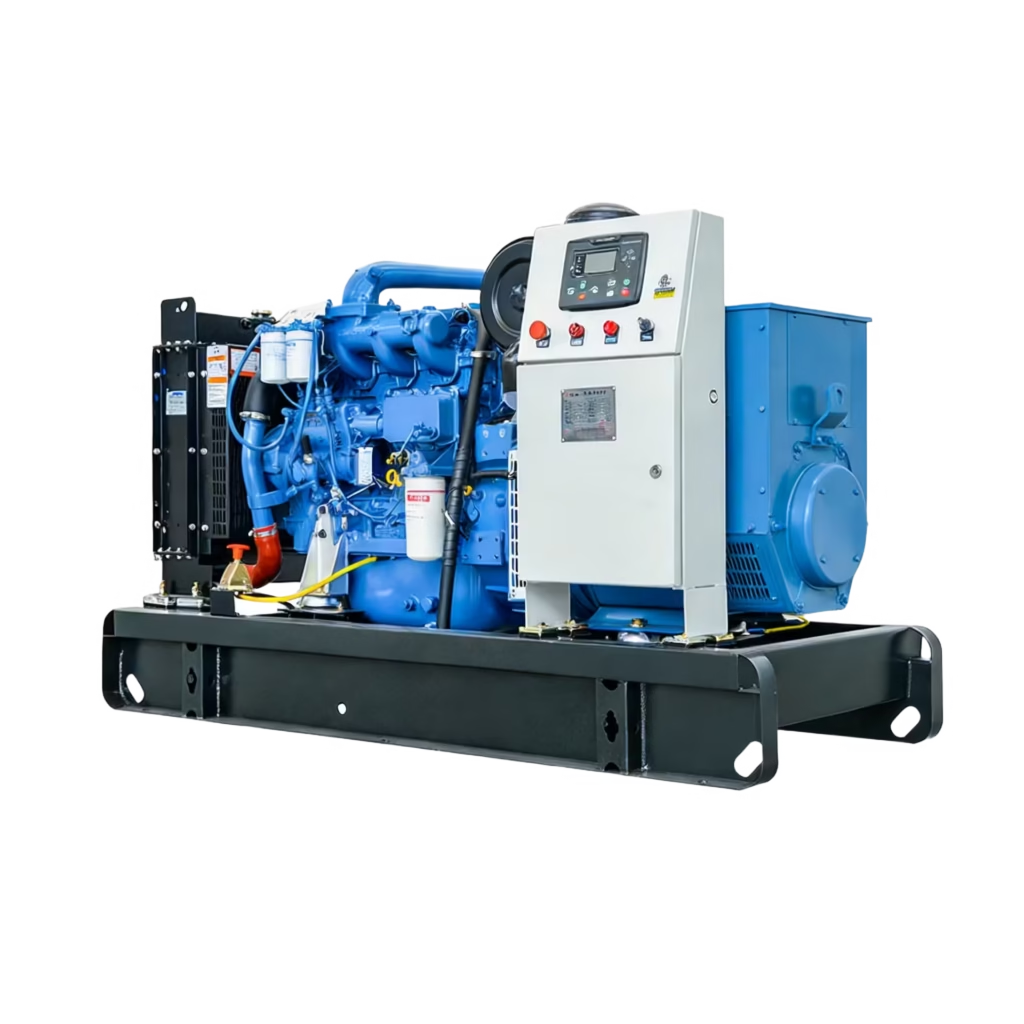
YC
64kW, 50 Hz
VTY88
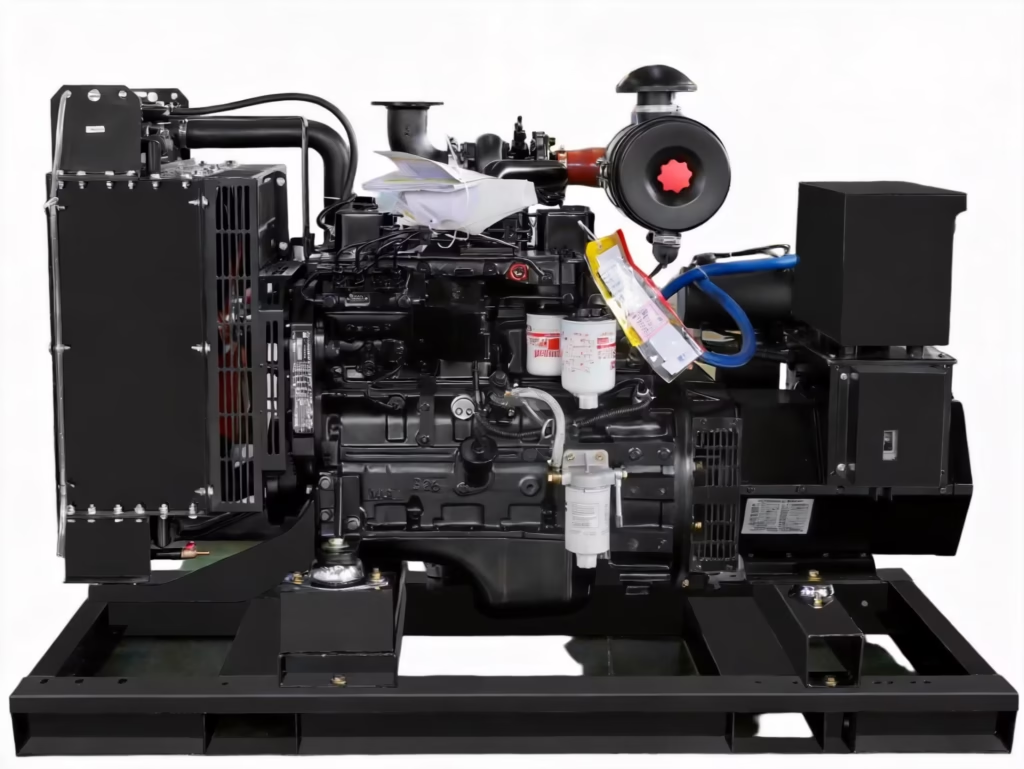
CUMMINS
64kW, 60 Hz
VTC88(60Hz)
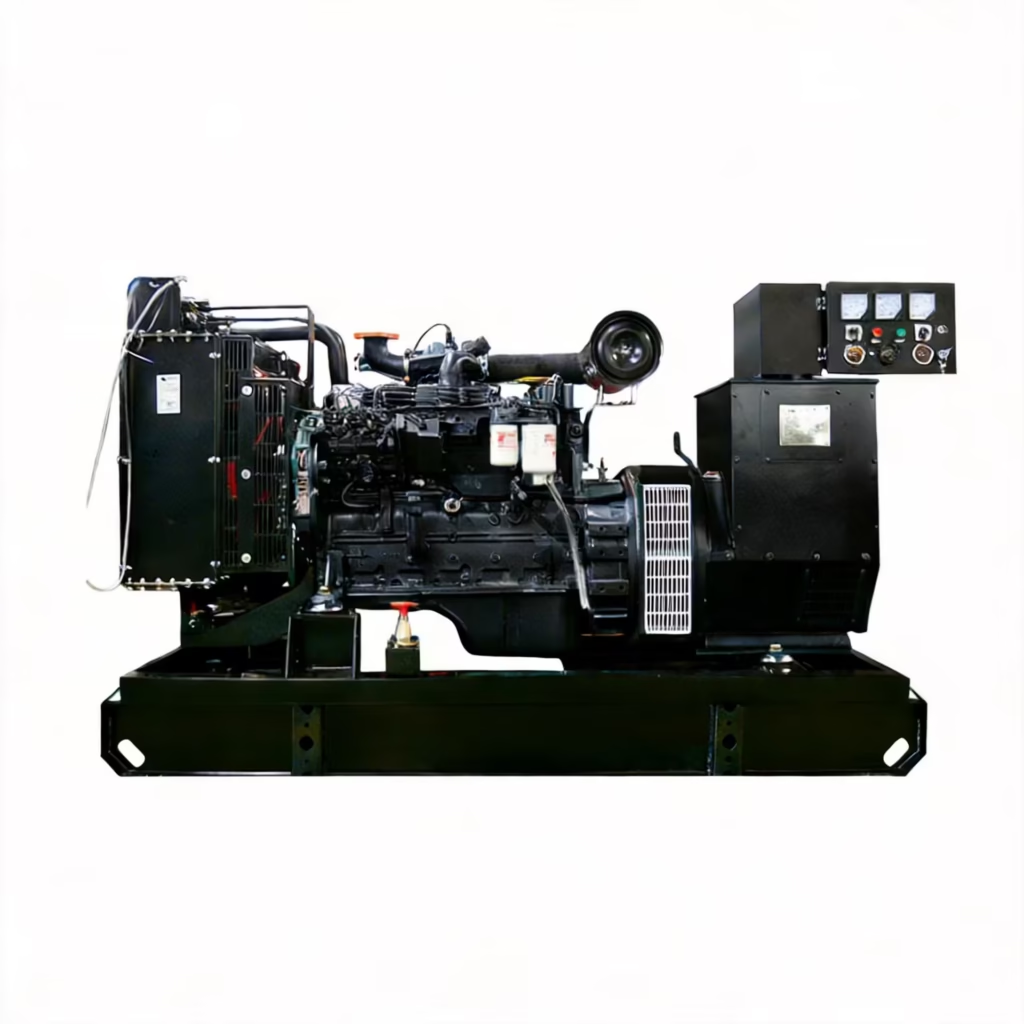
CUMMINS
68kW, 50 Hz
VTC93
CUMMINS
68kW, 60 Hz
VTC93(60Hz)
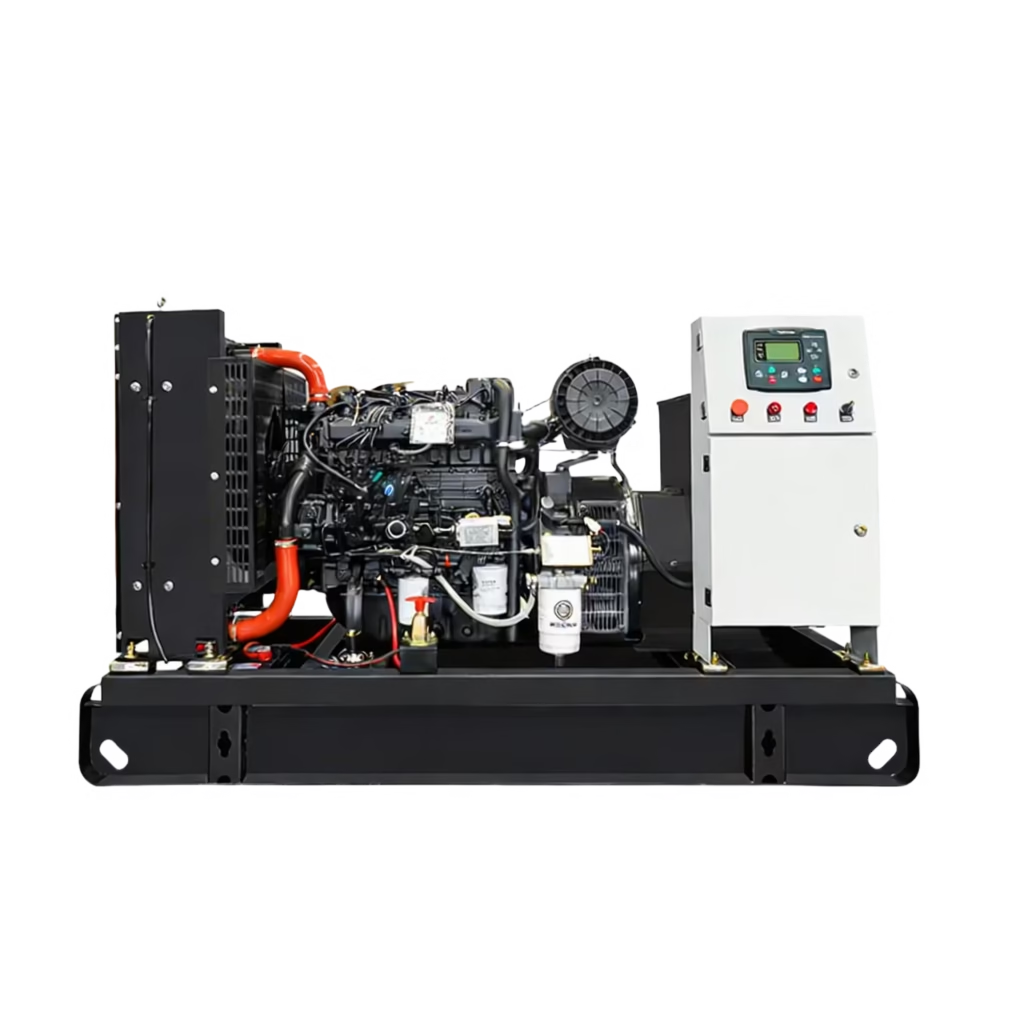
WEICHAI
70kW, 50 Hz
VTW95
WEICHAI
70kW, 60 Hz
VTW95(60Hz)
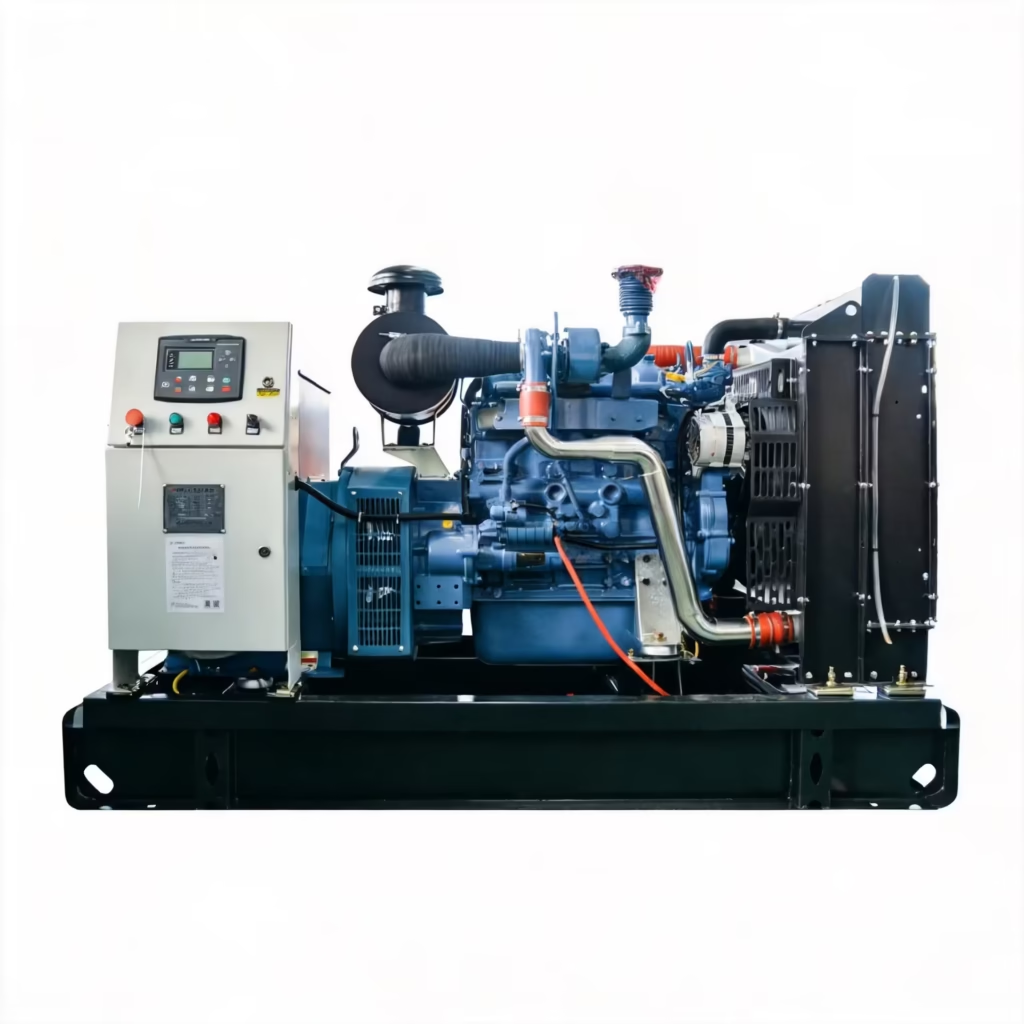
YC
75kW, 50 Hz
VTY103
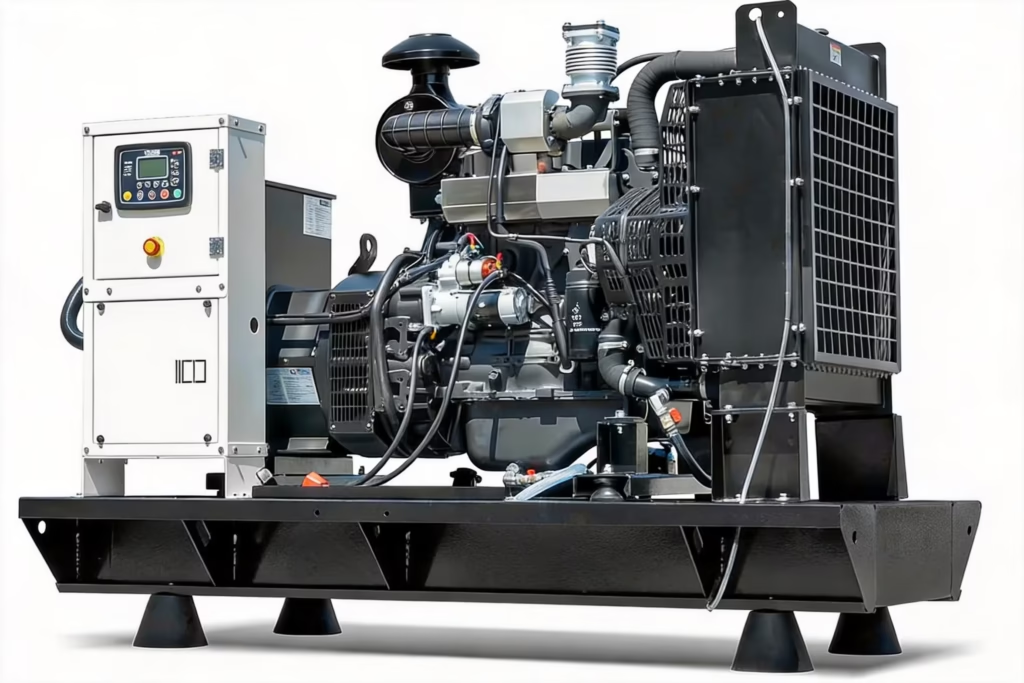
SDEC
75kW, 50 Hz
VTS103
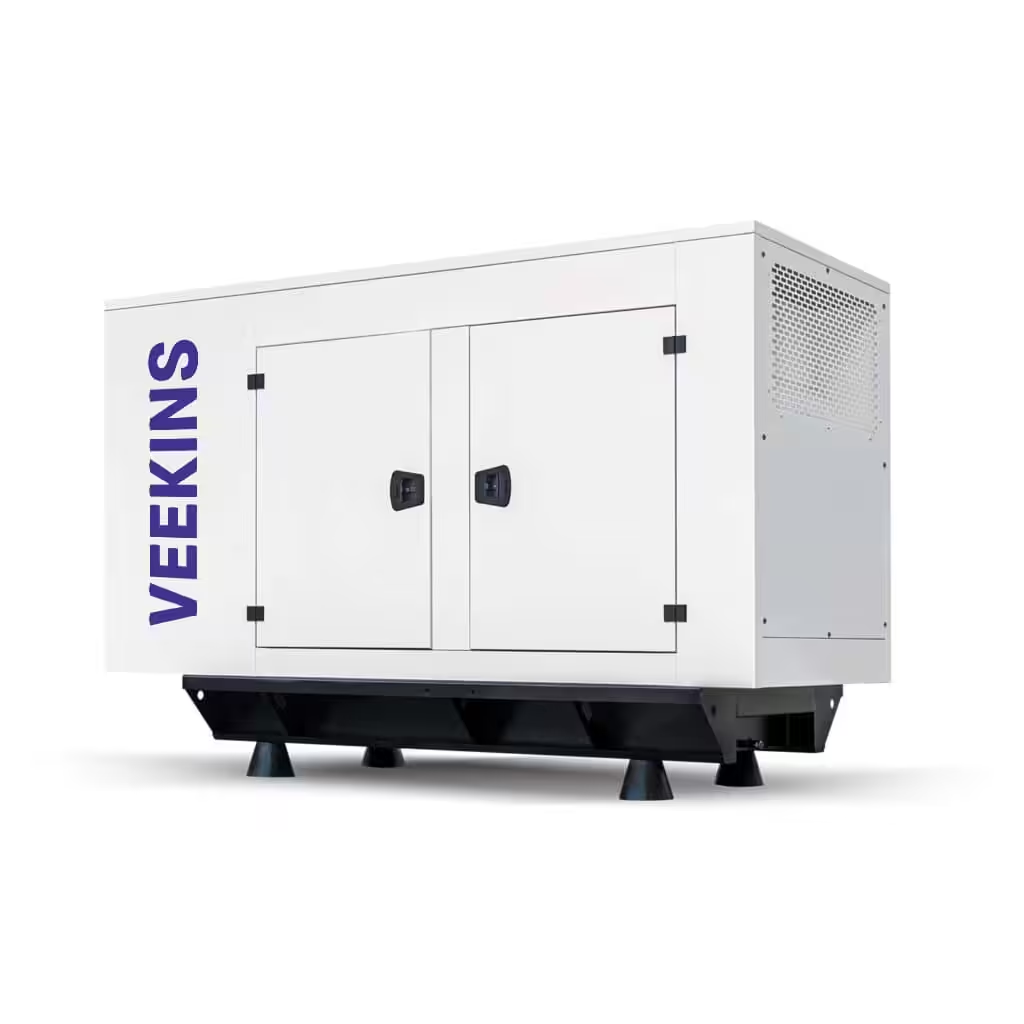
VOLVO
80kW, 50 Hz
VTV110
CUMMINS
80kW, 50 Hz
VTC110
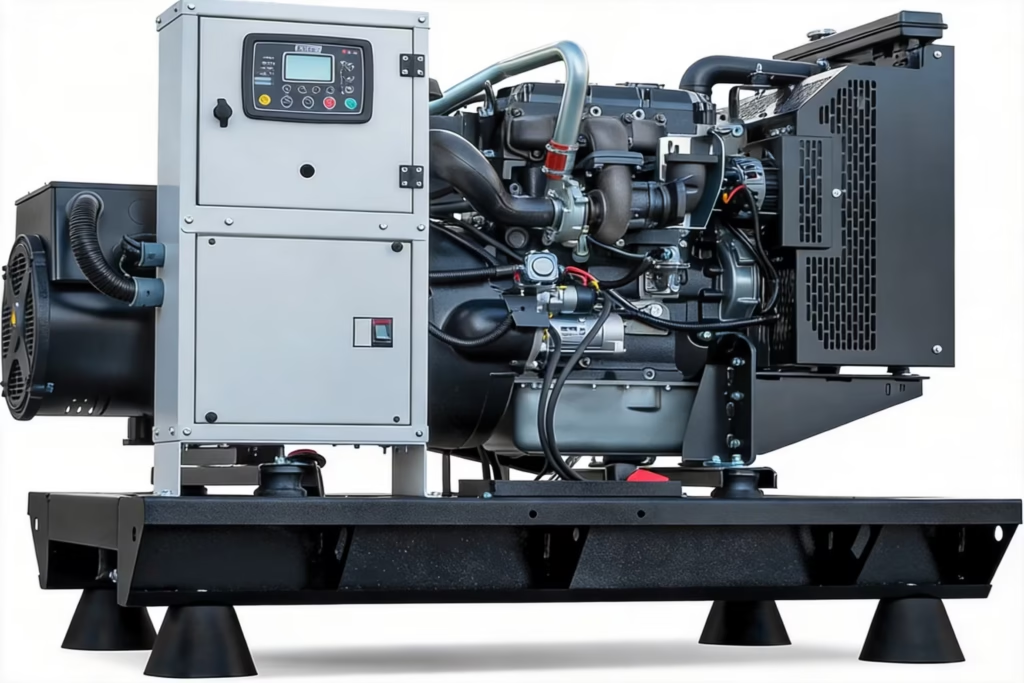
PERKINS
80kW, 50 Hz
VTP110
SDEC
80kW, 50 Hz
VTS110
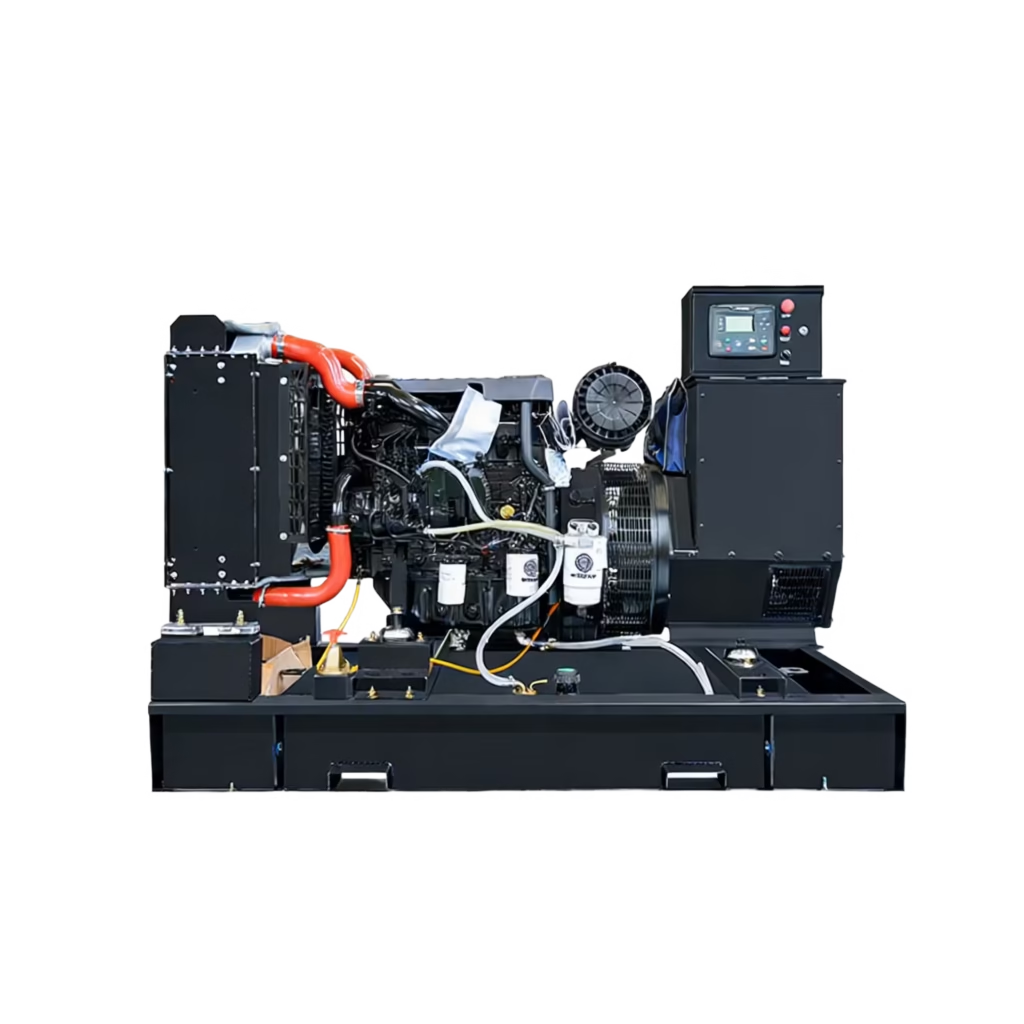
WEICHAI
80kW, 50 Hz
VTW110
VOLVO
80kW, 60 Hz
VTV110(60Hz)
CUMMINS
80kW, 60 Hz
VTC110(60Hz)
WEICHAI
80kW, 60 Hz
VTW110(60Hz)
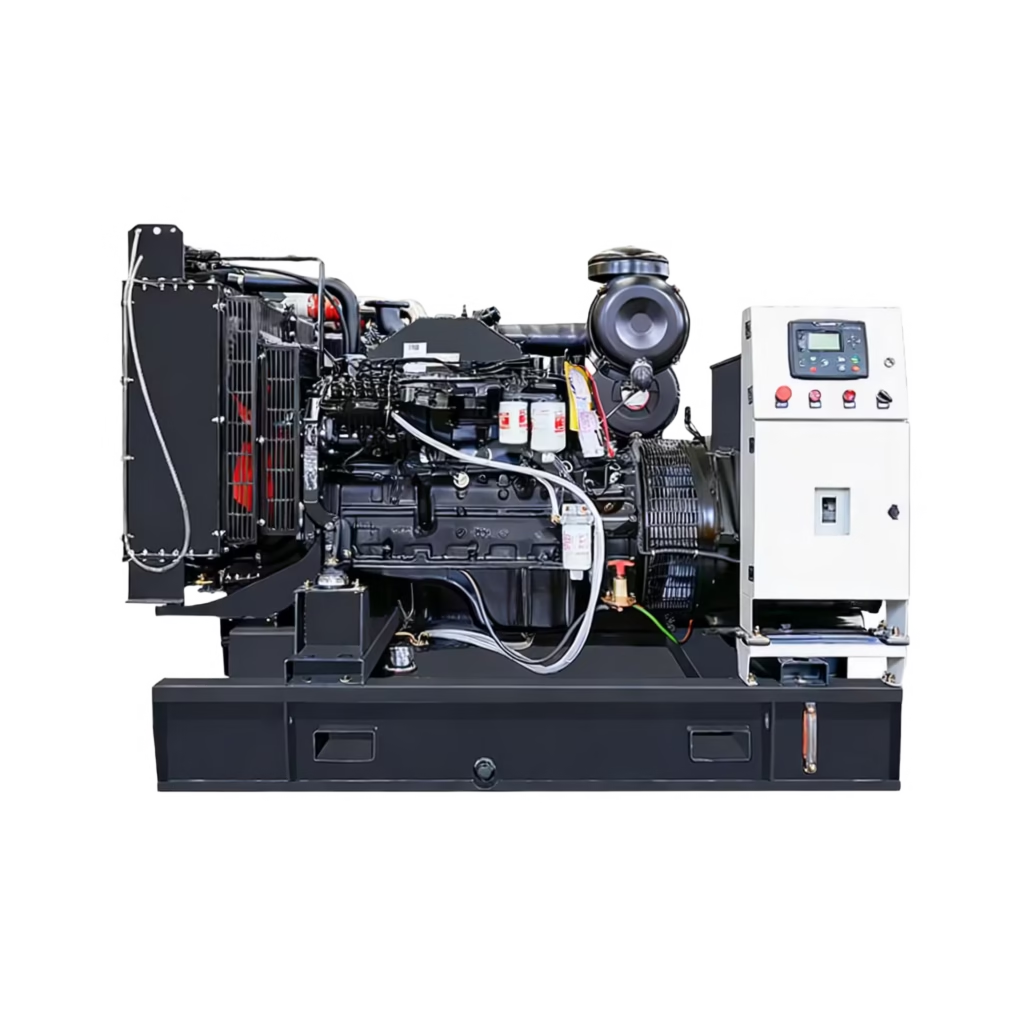
CUMMINS
90kW, 50 Hz
VTC120
What is a diesel generator?
A diesel generator consists of a diesel engine, alternator, control panel, fuel system, cooling system, and exhaust system. It can be used as a prime power source, standby power supply, or for off-grid and construction site applications.
How do I choose the right power capacity?
Add up the rated power of all connected equipment and consider starting currents, especially for inductive loads like motors. Typically, select a generator sized at 1.2 times your total load to ensure stable operation and allow for future expansion.
What type of fuel is used and what is the fuel consumption?
Fuel consumption varies by generator size and operating conditions. It is usually measured in liters per kWh. Please refer to the specific model’s performance curve or technical datasheet for accurate figures.
How is the generator started? Does it support automatic transfer?
Most units come with a 12V or 24V electric start system. With an Automatic Transfer Switch (ATS), the generator can automatically start during a power outage and transfer the load seamlessly.
Can multiple generators operate in parallel?
Parallel operation requires synchronization panels, compatible controllers, and load-sharing systems. Professional configuration and commissioning are recommended.
Is the generator noisy? Are there soundproof options?
Noise levels depend on engine type and load. For urban or residential applications, soundproof enclosures and exhaust silencers are recommended to reduce noise emissions.
What is the maintenance schedule?
Regular inspections include checking oil levels, coolant, fuel supply, and exhaust systems. Oil and filters are typically replaced every 250 hours, with major servicing around 1000 hours, depending on operating conditions.
Are spare parts and after-sales service available?
Common spare parts such as filters, belts, batteries, and wear components are available. Long-term parts supply and OEM support can be arranged under contract.
What is the expected lifespan of a diesel generator?
Lifespan depends on manufacturing quality, load management, maintenance frequency, and operating environment. Proper servicing significantly extends operational life.With proper maintenance, typically 10+ years.